
Silky Alfredo sauce clinging to every strand of fettuccine, tender slices of chicken, and a finish of fresh Parmesan is the kind of dinner that disappears fast. This version keeps the sauce lush without turning gluey, and the chicken stays juicy instead of drying out while the pasta cooks.
The key is using a gentle simmer, not a hard boil, once the cream and milk go in. Parmesan melts cleanly when the heat stays low, and the reserved pasta water helps the sauce loosen just enough to coat the noodles instead of sitting thick and heavy in the pan. I also like slicing the chicken after it rests, so the juices stay where they belong.
Below, you’ll find the timing that keeps the sauce smooth, the ingredient details that matter most, and a few practical ways to adapt this when you need a lighter version or want to use what you already have on hand.
The sauce stayed smooth and glossy, and the reserved pasta water made it coat the fettuccine perfectly. My husband went back for seconds before I even sat down.
Creamy Chicken Alfredo Pasta with that smooth Parmesan sauce is worth keeping close for nights when you want comfort food without fuss.
The Reason Alfredo Sauce Breaks, and How to Keep This One Smooth
Most Alfredo problems start when the heat is too aggressive. Parmesan doesn’t like a rolling boil, and cream can turn greasy or grainy if the pan is scorching when the cheese goes in. The sauce here stays stable because the garlic cooks briefly in butter first, then the cream and milk warm gently before the cheese is added off the hottest part of the heat.
Another common issue is adding too much cheese too quickly. That can clump before it melts. Stir it in a handful at a time and give each addition a moment to disappear into the sauce. If it still feels too thick after the pasta goes in, the reserved pasta water helps loosen it without watering down the flavor.
What Each Ingredient Is Actually Doing in This Dish
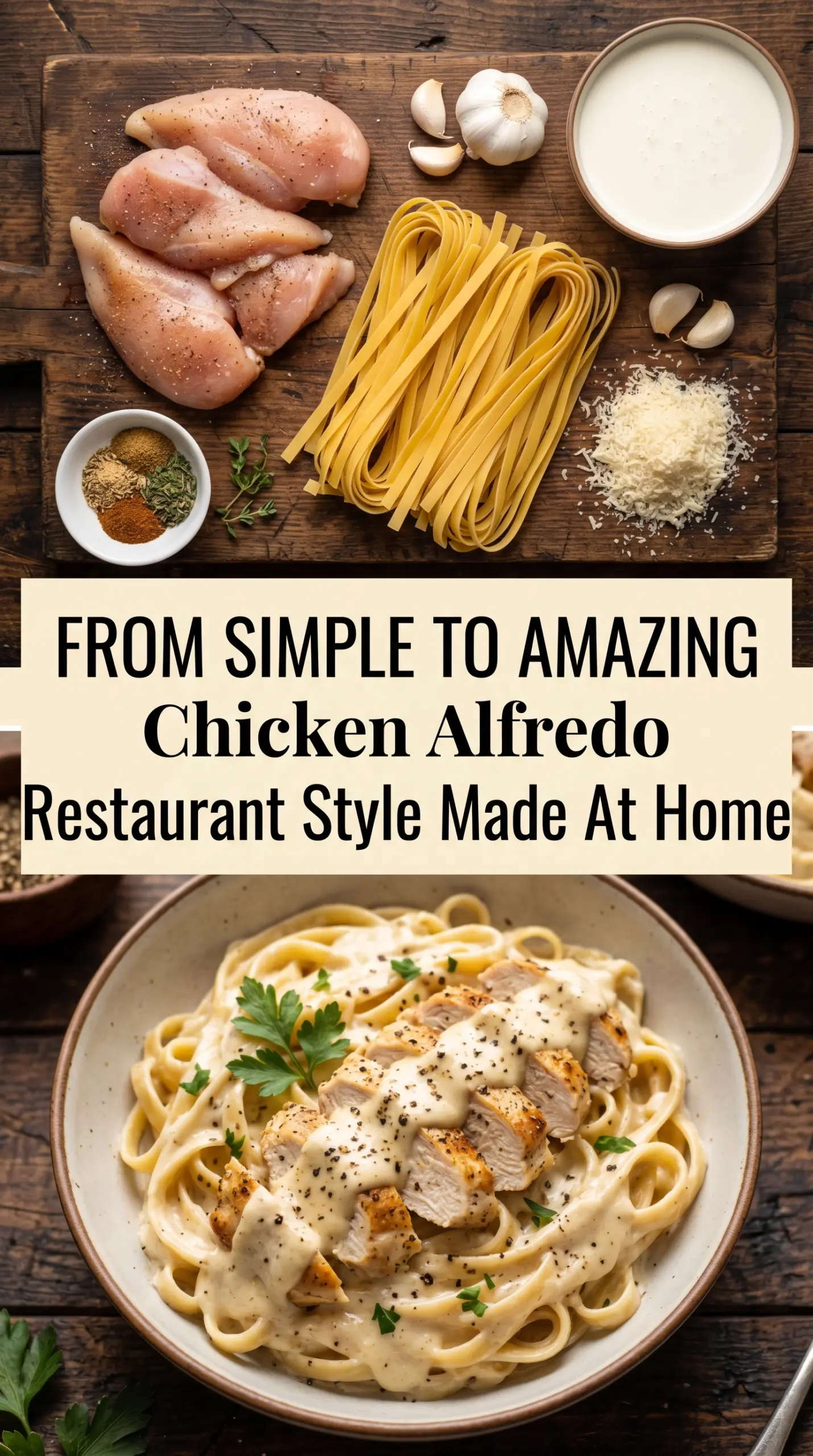
- Fettuccine — The broad noodles catch the sauce better than thinner pasta. If you swap it, use another shape with some surface area, like linguine or tagliatelle, so the sauce has something to cling to.
- Chicken breasts — Slicing them before cooking helps them cook evenly and stay tender. Chicken thighs work too, but they bring a richer, slightly heavier result and need a little more time in the skillet.
- Heavy cream and whole milk — The cream gives the sauce body, while the milk keeps it from turning too dense. All cream will taste richer but can feel heavy; all milk won’t give you the same lush texture.
- Freshly grated Parmesan — This matters. Pre-shredded cheese often has anti-caking starches that make the sauce gritty instead of smooth. Grate it yourself if you want that clean, glossy finish.
- Pasta water — The starch in that starchy water helps the sauce emulsify and cling. Don’t skip reserving it, especially if the sauce tightens up after the pasta sits for a minute.
The 20 Minutes That Actually Matter
Cooking the Pasta and Saving the Water
Boil the fettuccine in well-salted water until it’s just tender with a little bite left in the center. Drain it, but reserve half a cup of the cooking water before you forget. That water is part of the sauce, not an afterthought, and it gives you a clean way to loosen everything at the end without thinning the flavor.
Getting Color on the Chicken
Heat the olive oil in a large skillet and cook the seasoned chicken until it turns golden on the outside and reads cooked through in the thickest part. If the pan is crowded, the chicken steams instead of browns, so give the pieces room. Let it rest for a couple of minutes before slicing so the juices don’t run straight onto the cutting board.
Building the Alfredo Sauce
Melt the butter in the same skillet and cook the garlic just until fragrant. Pour in the cream and milk, then let the mixture simmer gently for a few minutes until it looks slightly thicker and coats the back of a spoon. If the heat is too high at this point, the sauce can separate later when the cheese goes in.
Melting the Cheese and Finishing the Pan
Stir in the Parmesan a little at a time until the sauce turns smooth and glossy. Add the pasta and toss until every strand is coated, then return the sliced chicken to the skillet. If the sauce clings too tightly, splash in a bit of reserved pasta water and stir until it relaxes to that silky, spoonable texture.
How to Adapt This for a Lighter Plate or What’s in the Fridge
Swap in Chicken Thighs for a Richer Result
Chicken thighs stay juicier than breasts and bring a deeper flavor, which works well in Alfredo. Cut them into similar-sized pieces and cook until they have some browning on the outside. The sauce will taste a little richer, and the dish will feel less lean.
Make It Gluten-Free Without Changing the Sauce
Use your favorite gluten-free fettuccine and cook it just to tender, since it can go soft fast. The sauce itself is already naturally gluten-free as written. Save extra pasta water if the noodles release more starch than usual, because that helps the sauce cling.
Lighter, But Still Creamy
You can replace part of the heavy cream with more whole milk, but the sauce will be a little thinner and less luxurious. If you go this route, simmer it a touch longer before adding the cheese. That extra minute gives the sauce more body without needing flour.
Storage and Reheating
- Refrigerator: Store leftovers in an airtight container for up to 3 days. The sauce thickens as it chills.
- Freezer: It doesn’t freeze well. Cream-based sauces can separate and turn grainy after thawing.
- Reheating: Warm it slowly on the stove over low heat with a splash of milk or water, stirring often. High heat is the fastest way to break the sauce.
Answers to the Questions Worth Asking
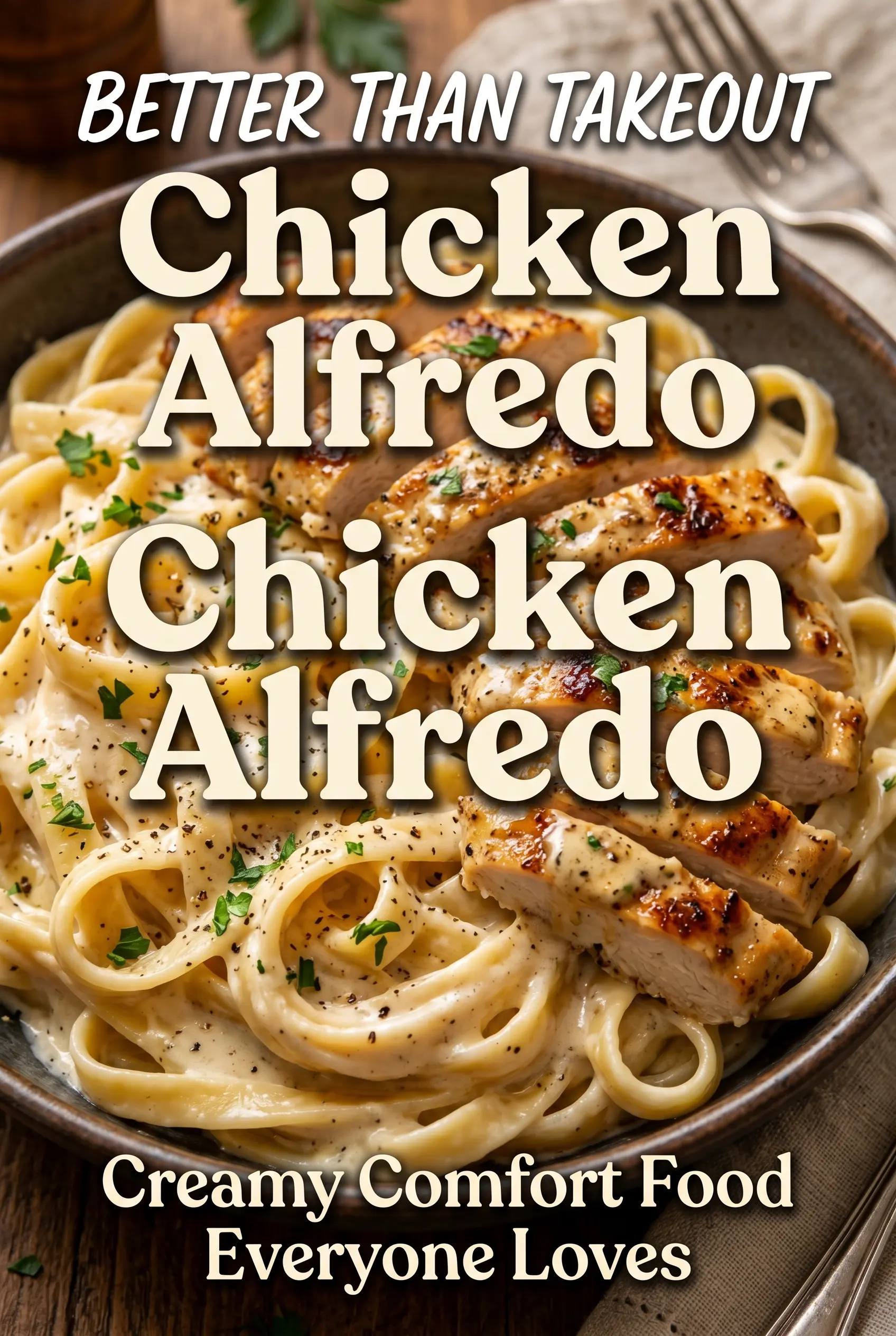
Creamy Chicken Alfredo Pasta
Ingredients
Equipment
Method
- Bring a large pot of salted water to a boil. Cook the fettuccine according to package instructions, then drain and reserve 1/2 cup pasta water.
- Season the chicken with salt, black pepper, and Italian seasoning.
- Heat olive oil in a large skillet over medium-high heat until shimmering. Cook chicken for 5–6 minutes per side until golden and cooked through.
- Remove the chicken from the skillet and slice it.
- In the same skillet, melt the butter over medium heat.
- Add the garlic and cook for 30 seconds until fragrant.
- Pour in the heavy cream and whole milk. Simmer gently for 3 minutes.
- Stir in the Parmesan cheese until completely melted and smooth.
- Add the cooked pasta and toss until coated.
- Return the sliced chicken to the skillet and toss to combine.
- Add a splash of reserved pasta water if needed to loosen the sauce.
- Garnish with chopped parsley and extra Parmesan for serving.
