
Grilled salmon lands on the table with crisp edges, a flaky center, and that clean smoky flavor that makes you want to serve it the second it comes off the heat. The seasoning stays simple on purpose. Salmon has enough richness on its own, so all it needs is a short marinade of olive oil, lemon, garlic, and paprika to deepen the flavor without masking it.
The key here is dryness and heat control. Patting the fillets dry helps the spice mixture cling and gives the grill a chance to sear the surface instead of steaming it. I also keep the first side on the grill long enough to set the flesh and release cleanly before flipping, which is where a lot of salmon goes wrong. Rush that step and you’ll lose half the fillet to the grates.
Below, I’ve included the small things that matter: how to keep salmon from sticking, what to look for when it’s done, and how to adapt it if you want a different seasoning route.
The salmon came off the grill with crisp edges and stayed moist inside. I let it sit skin-side down the full first 5 minutes, and it flipped without sticking at all.
Like this smoky grilled salmon? Save it to Pinterest for quick dinners when you want flaky fish, bright lemon, and almost no cleanup.
The Difference Between Flaky Salmon and Fish That Sticks
Most grilled salmon problems start before the fish ever hits the grate. Wet surface, weak heat, and too much handling all work against you. Salmon needs enough time on the first side to form a thin crust and naturally release from the grill. If you try to move it early, it tears.
Skin-side down does most of the work here. The skin protects the delicate flesh from direct heat, which keeps the center juicy while the exterior firms up. Oil the grates, not the fish alone, and preheat fully so the metal is hot enough to sear on contact. A grill that isn’t ready will hold onto the salmon instead of letting it go.
- Dry fillets — Surface moisture is the enemy of browning. Patting the salmon dry helps the seasoning stick and gives you better color.
- Medium-high heat — Too low and the fish steams. Too high and the outside overcooks before the center is done. Aim for steady heat, not flare-ups.
- Skin-on fillets — Skin-on salmon is easier to grill because the skin acts like a built-in barrier. If you only have skinless fillets, use a grill basket or a well-oiled piece of foil.
What Each Ingredient Is Actually Doing in This Dish
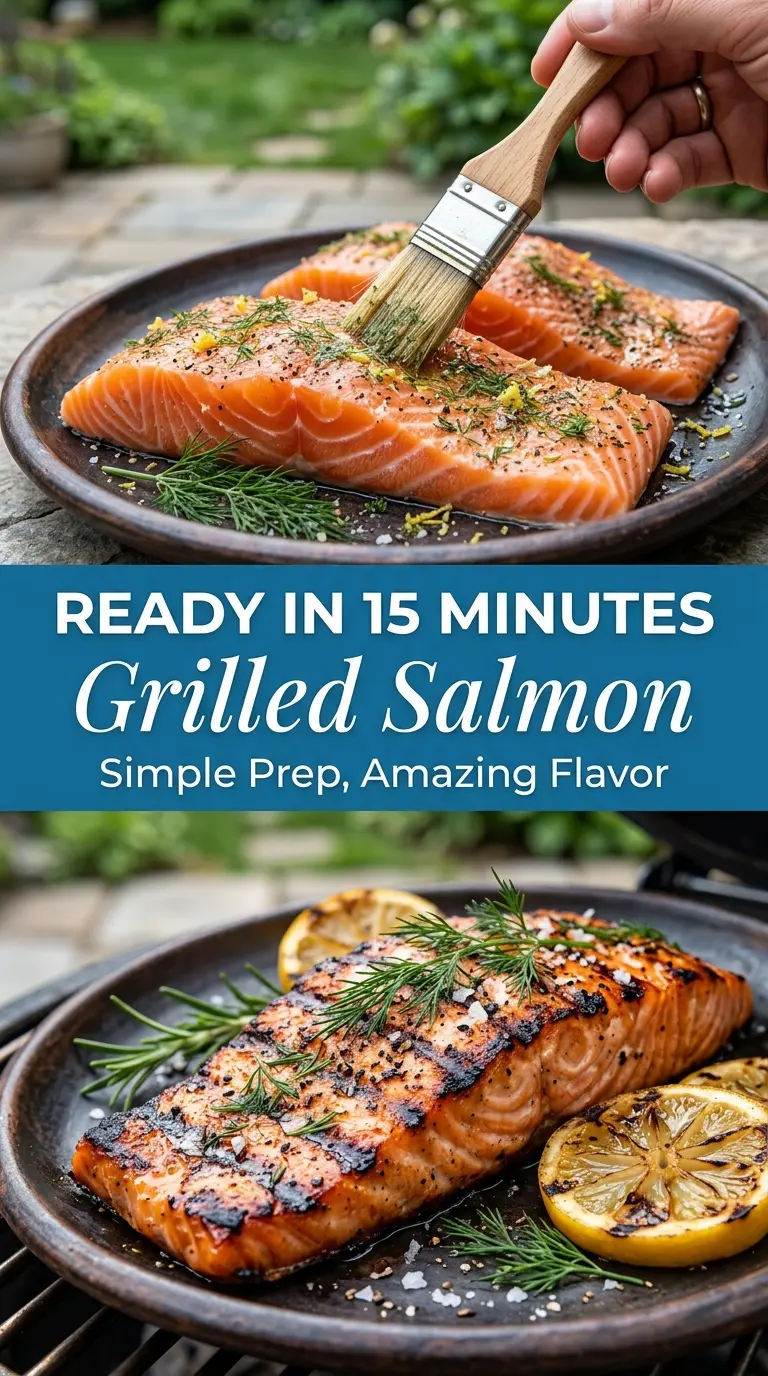
- Salmon fillets — Thick, even fillets are easier to grill because they cook at the same pace. If the pieces vary a lot in size, the thin end will dry out before the thick end finishes.
- Olive oil — It helps the seasoning cling and adds a little richness. You can swap in avocado oil if you want something with a higher smoke point and a more neutral taste.
- Lemon juice — This brightens the fish without making it taste sour. Fresh lemon is worth using here because bottled juice tastes flat against the smoke from the grill.
- Garlic powder and paprika — Garlic powder gives savory depth without burning, and paprika adds color plus a gentle smoky note. I don’t use fresh garlic on the grill because it can scorch fast.
- Dried parsley — It rounds out the seasoning blend and adds a little herbiness. Fresh parsley is better as a garnish at the end, where it stays bright.
How to Grill Salmon Without Overcooking It
Preheating and Seasoning
Heat the grill to medium-high, around 400°F, and let it stay there long enough that the grates are fully hot. That gives you a fast sear instead of a long, drying cook. Brush the salmon with the olive oil mixture right before it goes on the grill so the seasoning doesn’t slip off. If the fish sits too long coated in lemon and oil, the surface can turn soft and less likely to brown.
First Side on the Grates
Place the salmon skin-side down and leave it alone for 5 to 6 minutes. You’ll know it’s ready to turn when the flesh has turned opaque about two-thirds of the way up the side and the fillet lifts without resistance. If it’s clinging to the grill, give it another 30 seconds. Forcing it is how the fish tears.
The Flip and Final Finish
Flip carefully and cook for another 3 to 4 minutes, just until the salmon flakes easily with a fork and still looks a touch glossy in the center. Pull it a little early if you like it on the moist side; salmon keeps cooking after it leaves the heat. Let it rest for 2 minutes so the juices settle instead of running out onto the plate.
Three Ways to Adjust This Grilled Salmon
Make it dairy-free and gluten-free without changing a thing
This recipe already fits both diets as written, which is one reason it stays in my regular rotation. Serve it with grilled vegetables, rice, or potatoes and you’ve got a full meal with no extra adjustments.
Swap in a different spice profile
Paprika and garlic give you a smoky, familiar base, but you can lean Mediterranean with dill and oregano or go bolder with Cajun seasoning. Keep the oil and lemon, since they protect the fish and keep the flavor bright.
Use a grill pan instead of an outdoor grill
A grill pan works well if you keep the heat steady and let it preheat fully before the salmon goes in. You won’t get quite the same smoke, but you’ll still get good browning and a clean flip as long as the pan is lightly oiled.
Make extra for leftovers
Cold grilled salmon is excellent flaked over salads, rice bowls, or pasta the next day. If you know you’ll have leftovers, pull the salmon as soon as it flakes so it stays moist after reheating.
Storage and Reheating
- Refrigerator: Store in an airtight container for up to 3 days. The texture softens a bit, but the flavor holds up well.
- Freezer: Freeze cooked salmon for up to 2 months, wrapped tightly and placed in a freezer bag. Thaw overnight in the refrigerator before reheating.
- Reheating: Warm gently in a 275°F oven, covered loosely with foil, until just heated through. High heat dries salmon out fast, so avoid blasting it in the microwave unless you don’t mind a firmer texture.
Answers to the Questions Worth Asking
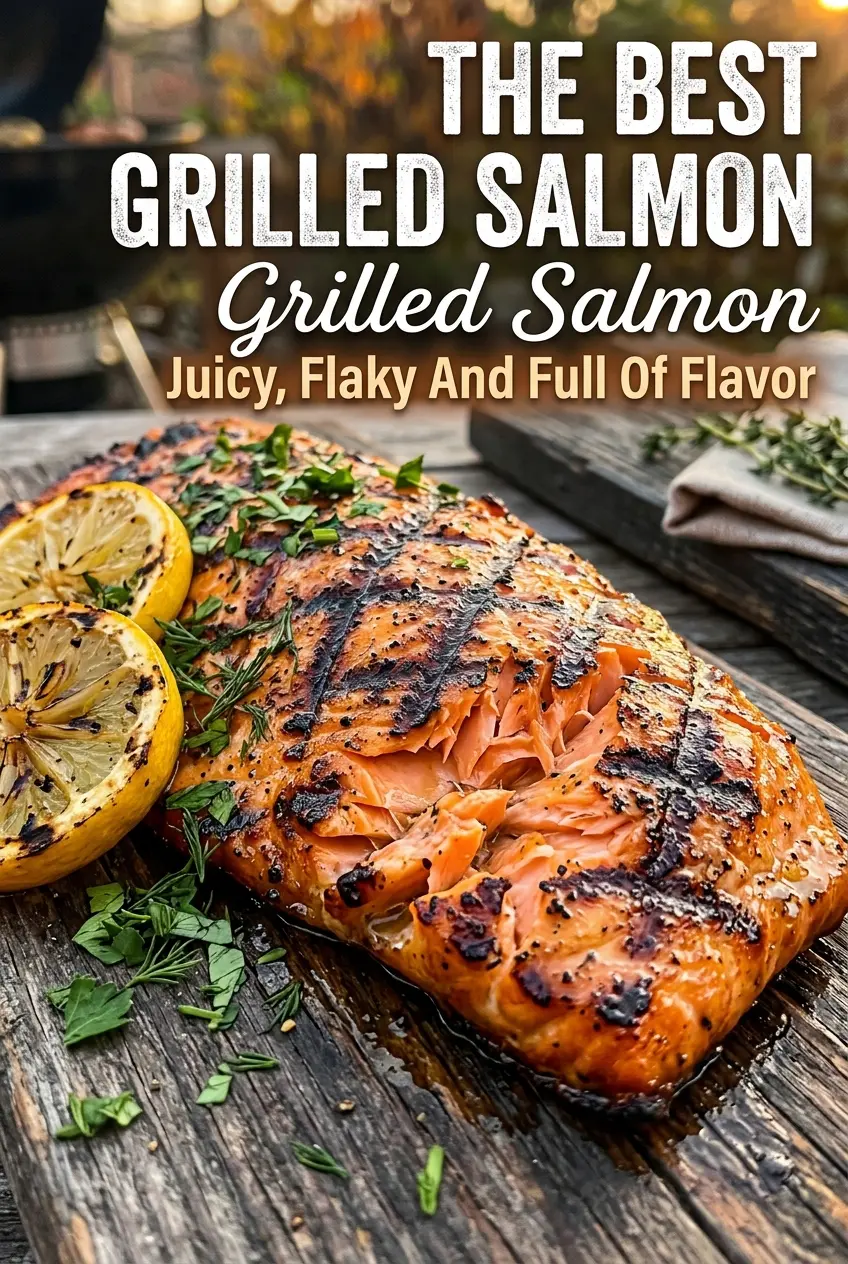
Grilled Salmon with Lemon-Garlic Seasoning
Ingredients
Equipment
Method
- Preheat the grill to medium-high heat (400°F).
- Pat the salmon fillets dry with paper towels.
- In a small bowl, combine olive oil, lemon juice, garlic powder, paprika, dried parsley, salt, and black pepper.
- Brush the mixture evenly over the salmon fillets.
- Lightly oil the grill grates to prevent sticking.
- Place the salmon skin-side down on the grill.
- Grill for 5–6 minutes without moving, watching for a cooked top and visible grill marks.
- Carefully flip the salmon and grill another 3–4 minutes until the salmon flakes easily with a fork.
- Remove the salmon from the grill and let rest for 2 minutes.
- Garnish with fresh parsley and lemon slices before serving.
