
Buttery shrimp scampi pasta lands in that sweet spot between fast and special. The sauce clings to every strand of linguine, the shrimp stay plump instead of rubbery, and the lemon-garlic finish keeps the whole pan tasting bright instead of heavy. It’s the kind of dinner that disappears fast and somehow still feels elegant enough for company.
What makes this version work is the balance. The shrimp cook first and come out early, so they don’t overcook while the sauce comes together. Then the garlic, red pepper flakes, wine, lemon, and a little reserved pasta water build a glossy sauce that coats the pasta instead of pooling at the bottom of the bowl. Parmesan goes in at the end, after the heat drops a bit, so it melts in smoothly without turning grainy.
Below, I’ve included the little details that matter here: how to keep the shrimp tender, why the pasta water matters, and what to do if you want to swap the wine for broth without losing that classic scampi flavor.
The sauce coated the linguine perfectly and the shrimp stayed tender instead of getting rubbery. I used the pasta water like you said and it came together in a silky sauce my husband kept going back for.
Love the glossy garlic-lemon sauce on this shrimp scampi pasta? Save it to Pinterest for the nights when you want a 30-minute dinner that still tastes like a treat.
The Reason Shrimp Scampi Sauce Stays Silky Instead of Breaking
The biggest mistake in shrimp scampi is treating the sauce like it has to cook hard and fast. It doesn’t. Butter and olive oil give you richness and a higher burn point, but the garlic only needs about a minute in the pan. Any longer and it turns bitter before the wine even goes in.
The other thing that matters is timing. The shrimp come out of the skillet first, which keeps them juicy, and the pasta water goes in near the end to help the sauce emulsify. That starchy water is what helps the lemon-butter mixture coat the noodles instead of sliding off them.
- Don’t brown the garlic. Fragrant is the target. Browned garlic tastes harsh here and throws off the clean, briny shrimp flavor.
- Use dry white wine if you can. It adds a sharper, cleaner finish than broth. If you use chicken broth, the dish gets a little rounder and less bright, which is still good, just different.
- Reserve the pasta water before draining. Once the pasta is gone, you can’t recreate that starch content. A few splashes are usually enough to bring the sauce together.
What the Pasta, Shrimp, and Lemon Each Bring to the Pan
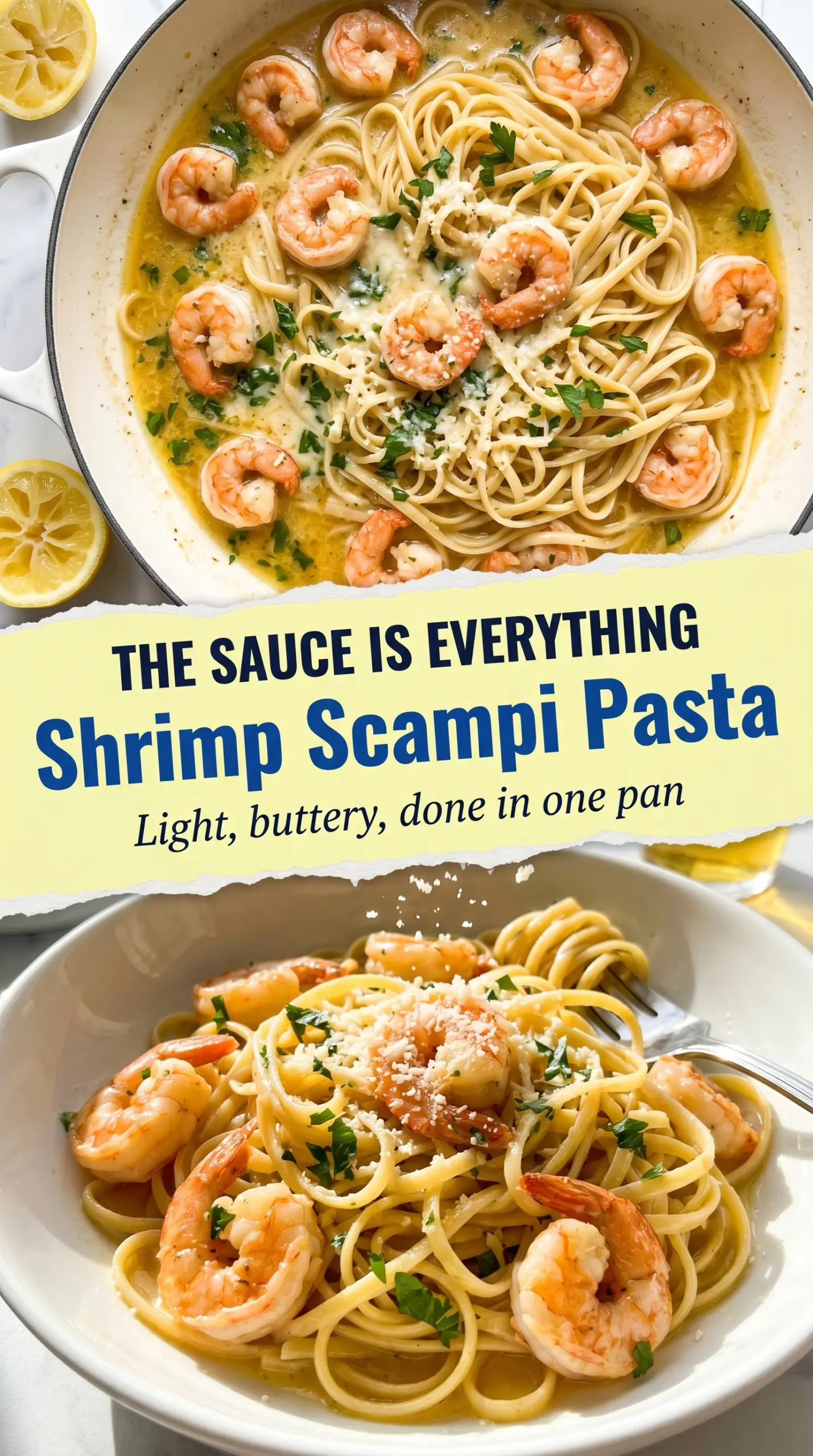
Linguine: The long strands give the sauce something to grab onto. Spaghetti works too, but linguine holds the glossy butter sauce a little better. If you use a short pasta, the sauce won’t wrap around the dish the same way.
Shrimp: Large shrimp are the right call because they stay tender through a quick sear and a short finish in the sauce. Smaller shrimp cook too fast and can go from just-done to tough in a minute. If you buy frozen shrimp, thaw them fully and pat them dry so they sear instead of steaming.
Lemon juice and zest: Juice gives the sharp lift, while zest adds the part of the lemon flavor that tastes fresh instead of sour. If you skip the zest, the sauce still works, but it loses some depth. Use a fine grater and only take the yellow skin, not the bitter white pith underneath.
Parmesan: It’s not there to make the sauce thick like cream. It adds a salty, savory finish and helps the sauce cling. Freshly grated Parmesan melts better than the pre-shredded kind, which can turn clumpy in a hot pan.
How to Keep the Shrimp Tender and the Sauce Glossy
Cooking the Pasta to the Right Point
Boil the linguine in generously salted water until it’s al dente, with a little bite still in the center. The pasta will spend another minute or two in the skillet, so pulling it at the right moment keeps it from going soft. Save about half a cup of the pasta water before you drain, because that starch is part of the sauce, not a backup plan.
Searing the Shrimp Fast
Pat the shrimp dry before they hit the skillet. Moist shrimp steam, and steamed shrimp never get that light sear on the outside. Cook them in a single layer for just 1 to 2 minutes per side until pink and opaque, then get them out of the pan. If they curl into tight little rings, they’re heading toward overcooked.
Building the Scampi Sauce in the Same Pan
Lower the heat before the garlic goes in. That’s what keeps the butter from scorching and the garlic from turning bitter. Pour in the wine and scrape up the browned bits from the pan bottom; that’s where a lot of the flavor lives. Let it reduce slightly before adding the lemon juice and zest so the sauce tastes rounded instead of sharp.
Finishing with Pasta Water and Parmesan
Toss the drained pasta right into the skillet and add pasta water a splash at a time until the sauce looks glossy and coats the noodles. Then add the shrimp back just long enough to warm through. Take the pan off the heat before the Parmesan goes in so it melts into the sauce instead of clumping or turning grainy.
How to Adapt This Shrimp Scampi Pasta Without Losing the Good Part
Gluten-Free Version
Use a gluten-free linguine that holds its shape after draining. Some rice-based pastas can break down quickly, so stop cooking as soon as they’re al dente and toss them gently in the sauce. The sauce itself is naturally gluten-free as long as your broth, if using, is labeled that way.
Dairy-Free Swap
Swap the butter for more olive oil or a good plant-based butter that melts cleanly. You’ll lose a little of the classic richness, but the garlic, wine, lemon, and pasta water still make a bright, satisfying sauce. Skip the Parmesan or use a dairy-free grated alternative at the very end.
No-Wine Version
Chicken broth works well if you want to avoid alcohol. The sauce will be a little less sharp and a little more savory, so keep the lemon juice and zest in place to bring the brightness back. If the broth is very salty, ease up on the added salt until the end.
Storage and Reheating
- Refrigerator: Store leftovers in an airtight container for up to 3 days. The pasta will absorb some sauce as it sits, so it won’t be as silky on day two.
- Freezer: I don’t recommend freezing this dish. The shrimp can turn rubbery and the sauce tends to separate after thawing.
- Reheating: Warm gently in a skillet over low heat with a splash of water or broth to loosen the sauce. High heat is the fastest way to overcook the shrimp and dry out the pasta.
Answers to the Questions Worth Asking
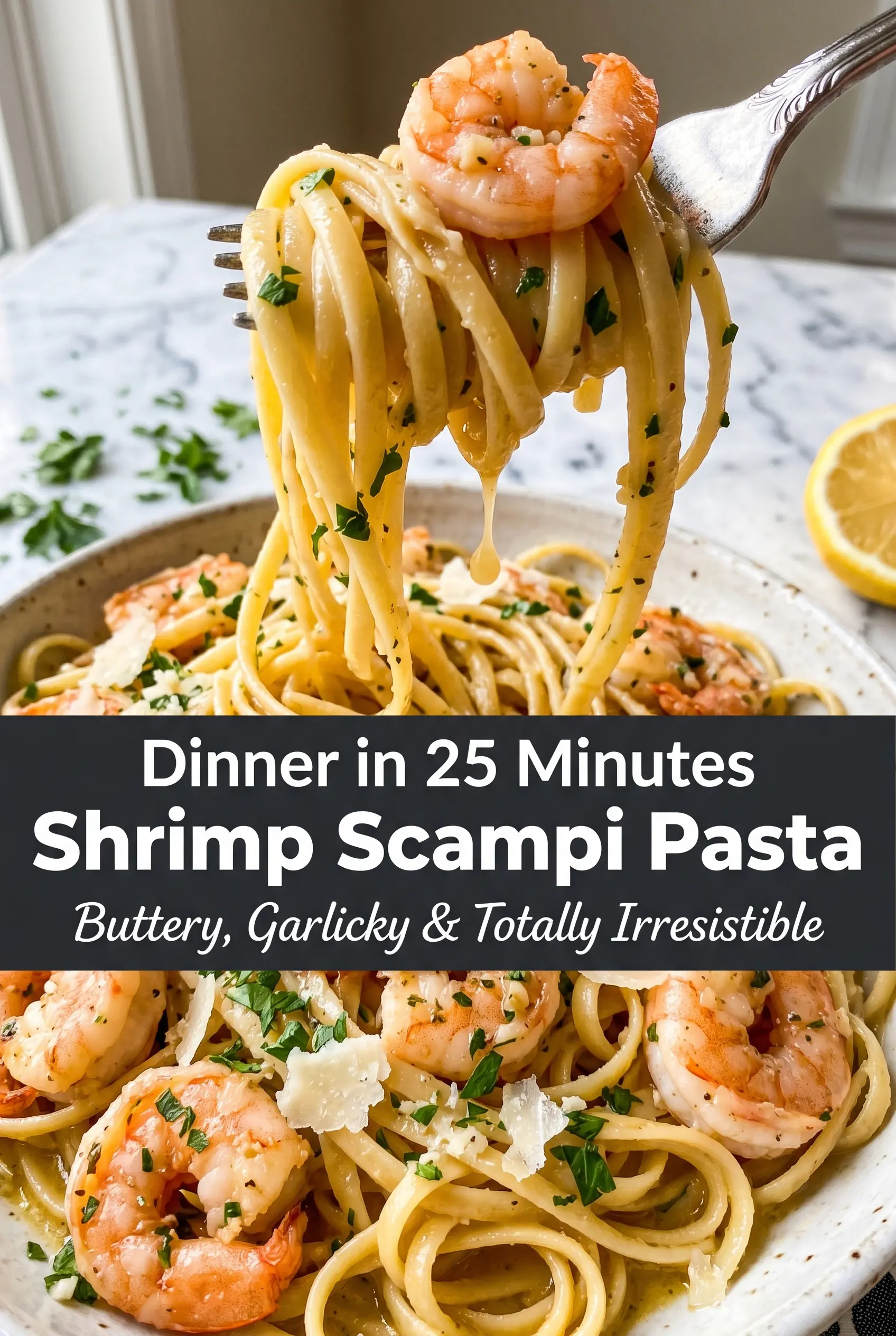
Shrimp Scampi Pasta
Ingredients
Equipment
Method
- Bring a large pot of generously salted water to a boil. Cook linguine according to package directions until al dente.
- Reserve 1/2 cup pasta water before draining, then drain and set aside. Keep pasta warm.
- Pat shrimp completely dry with paper towels and season lightly with salt and black pepper. Let sit while you heat the skillet.
- In a large skillet over medium-high heat, melt 2 tbsp butter with olive oil until shimmering. Add shrimp in a single layer.
- Cook 1–2 minutes per side until pink and just opaque. Remove shrimp to a plate and set aside.
- Reduce heat to medium and melt the remaining 2 tbsp butter in the same skillet. Add minced garlic and red pepper flakes and sauté for 1 minute until fragrant, not browned.
- Pour in the white wine and let it simmer 2–3 minutes, scraping up browned bits from the bottom of the pan, until slightly reduced. Keep the sauce bubbling.
- Add lemon juice and lemon zest and stir to combine. Simmer briefly just to meld flavors.
- Add the drained pasta to the skillet and toss to coat in the sauce. Add splashes of reserved pasta water as needed to loosen and help it cling to the pasta.
- Return shrimp to the skillet and nestle them into the pasta. Toss gently for 1 minute until shrimp are warmed through.
- Remove from heat and toss in fresh parsley and half the Parmesan. Stir until evenly distributed.
- Plate and top with remaining Parmesan and an extra squeeze of lemon. Serve immediately.
